Issue · Emerging Creator
The Stories We Wear
Notes from a weekend at FragFest '26.
JC · FragFest '26, Bengaluru, Karnataka, India · June 2026
Editor’s Note
thought I was going to a gaming festival. Instead, I found one of the most passionate fashion communities I have ever met. I expected competitions. I found craftsmanship. I expected costumes. I found identity. I expected fantasy. I found young people quietly telling the truth about themselves. That surprised me.
At FragFest '26 in Bengaluru, I began asking one question again and again.
Who are you today?
Nobody answered with their own name.
They answered with the name of a character.
Not because they were hiding.
Because, for one afternoon, they had found a form in which something inside them could stand in public.Then I remembered being fifteen.
My mythology was not anime.
It was The 36th Chamber of Shaolin. It was Bruce Lee. It was the old thrill of watching a body become disciplined enough to do what seemed impossible.
Those films changed the way many of us walked. They changed the way we imagined courage. For me, they planted the dangerous and beautiful thought that life could be larger than the small circle drawn around a child.
Watching these young people at FragFest, I realised nothing had really changed.
Only the mythology had changed.
Mine came from Hong Kong cinema.
Theirs came from Japanese anime.
Every generation finds a story strong enough to pull it forward.I left FragFest without a sword, a cloak or a character name.
I left with a notebook.
Inside it were conversations that reminded me why fashion matters.
Not because it makes people look different.
Because it gives them permission to reveal something true.
Perhaps we do not dress like our heroes.
Perhaps we borrow their courage for a while.
And sometimes, if the story is strong enough, we carry a little of it back into our own life.
The first lesson came before the first interview.
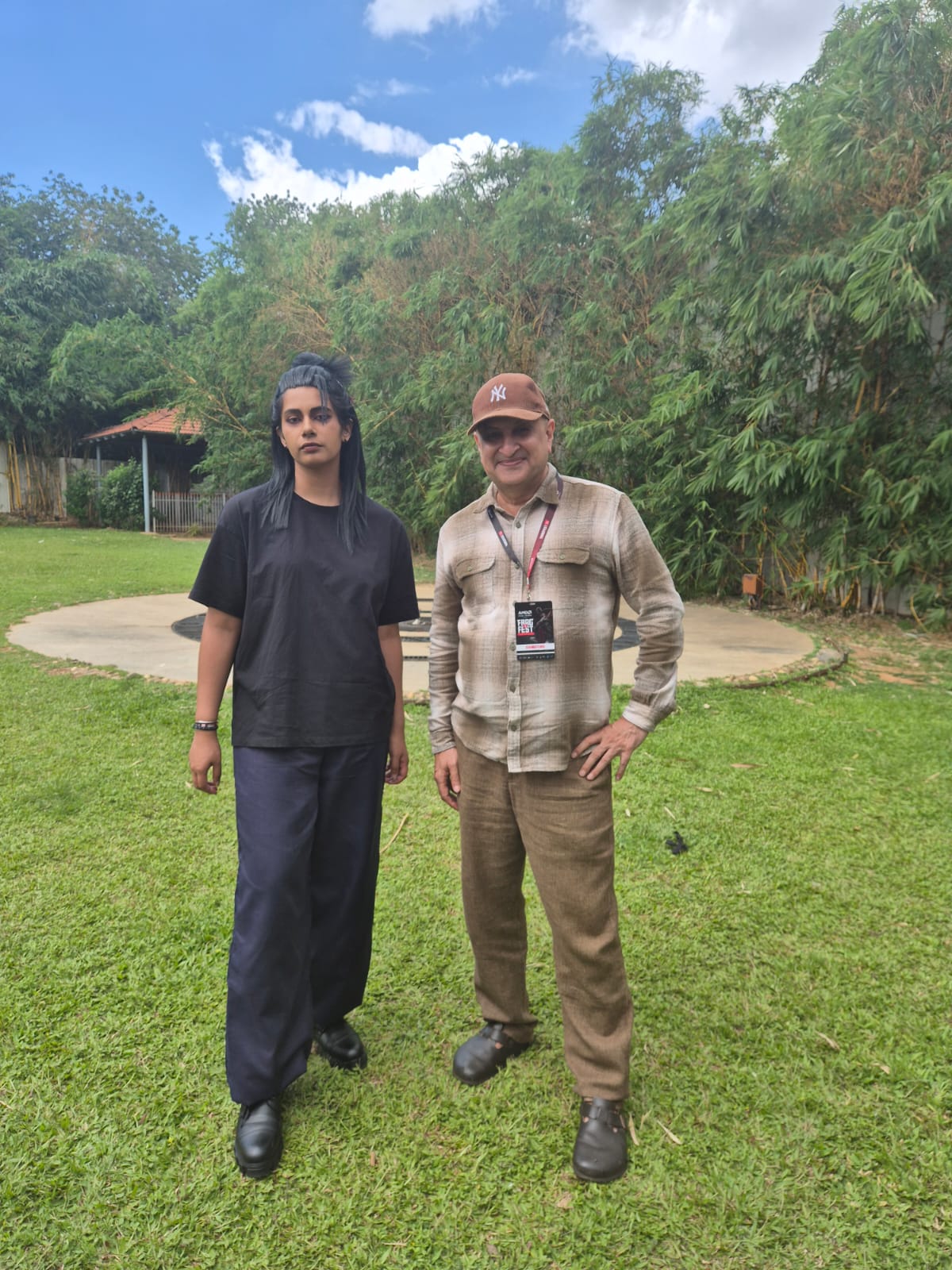
A young cosplayer stood in black robes, calm and precise. The costume was not casual. It had been built over time. The hair, the layers, the fall of the fabric, the posture. Nothing was accidental.
I asked what drew her to the character.
She did not speak of power first.
She spoke of connection.
That was the moment I stopped seeing costume and began seeing devotion.
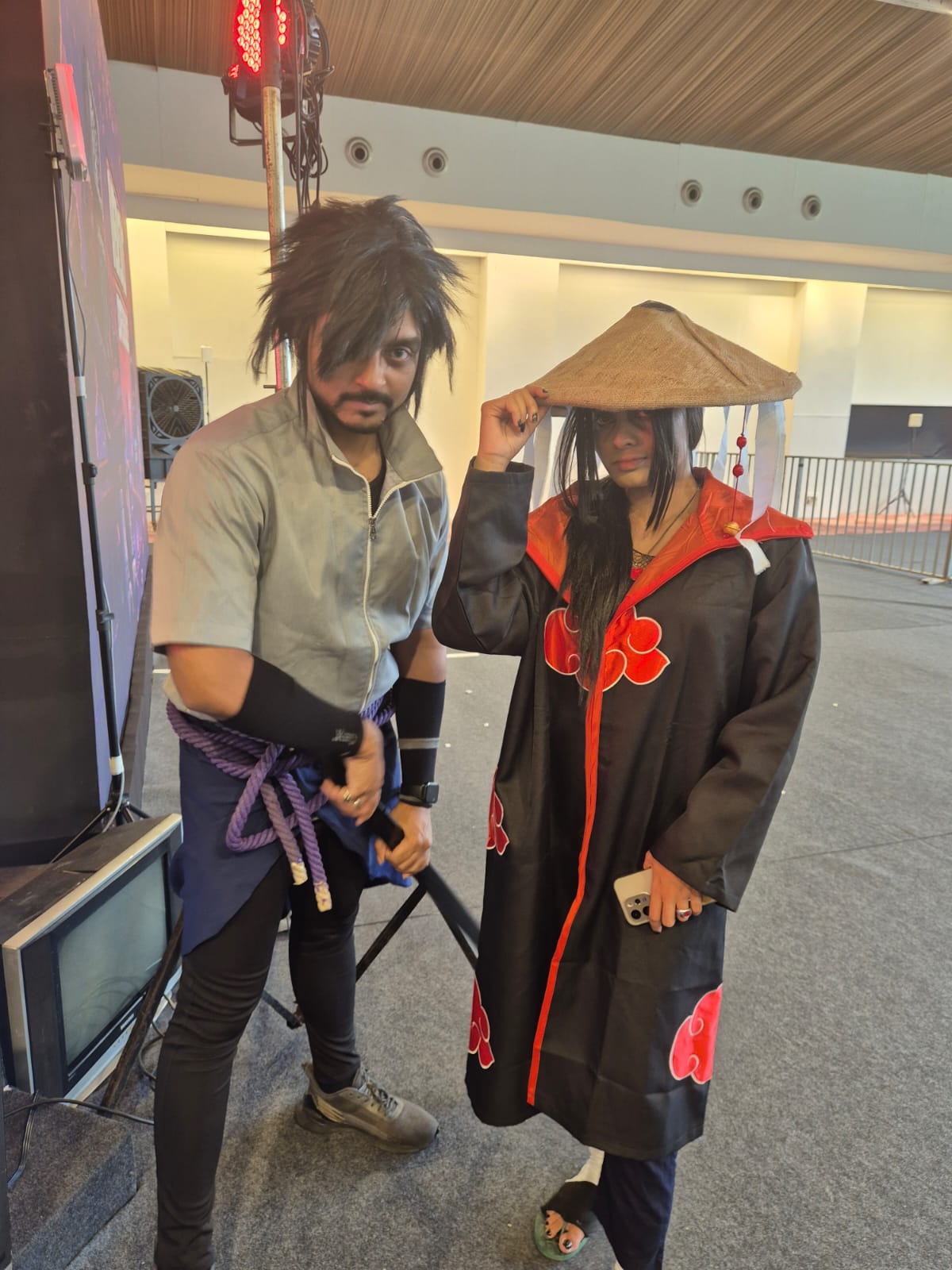
The next conversation taught me that cosplay is rarely a lonely act.
Friends arrive as characters from the same universe. They pose together because the story is larger than one person. One becomes loyalty. Another becomes pain. Another becomes rebellion. Together they become a scene.
Fashion does this too.
A collection is never only one garment. It is a world asking to be entered.
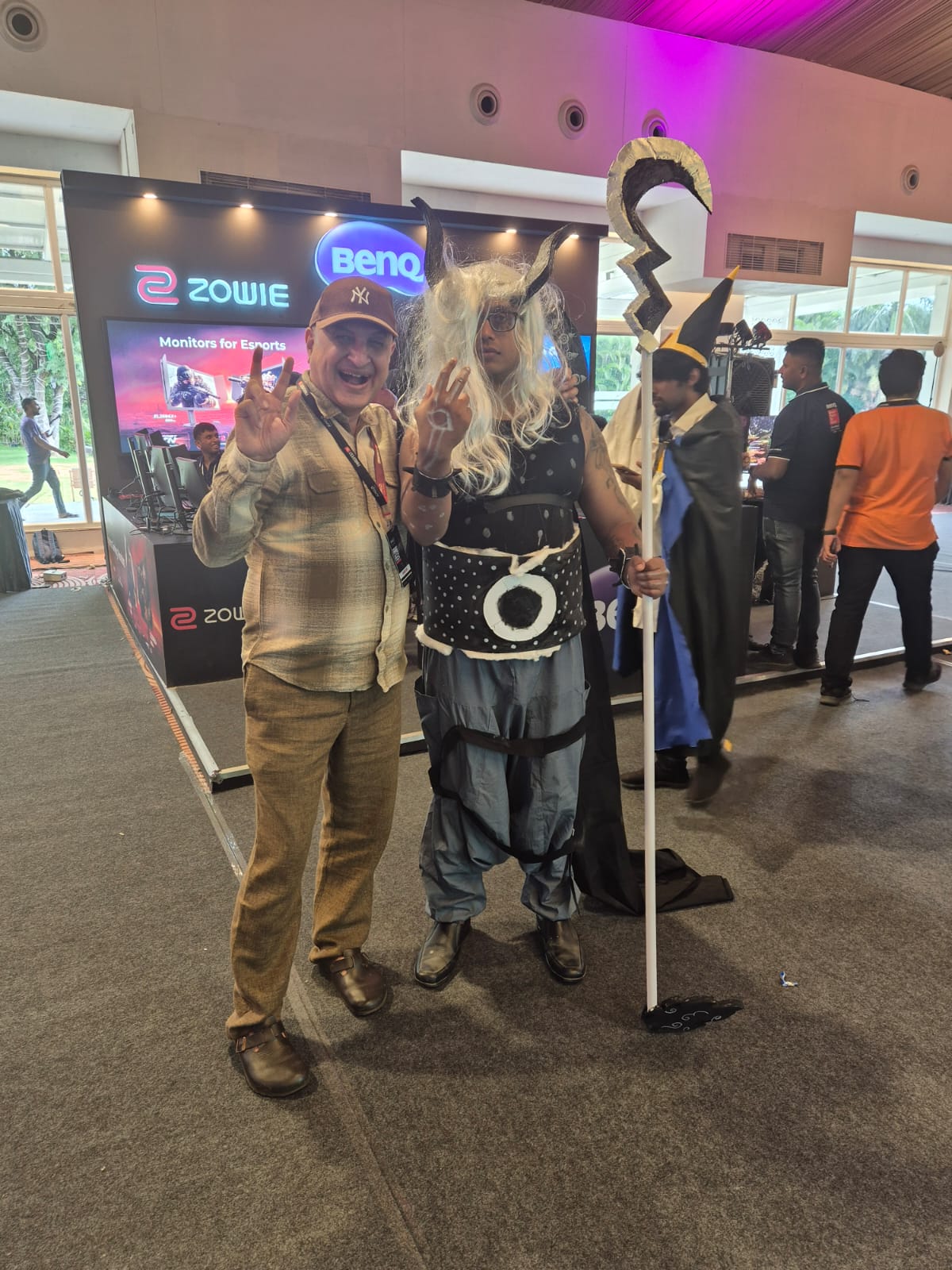
The closer I looked, the more the work revealed itself.
Wigs had been styled. Belts had been sourced. Props had been carried across the city. Fabric had been adjusted, repaired, improved. Some costumes had taken months. Some had taken years of small corrections.
This was not dressing up.
This was slow craft hiding inside youth culture.
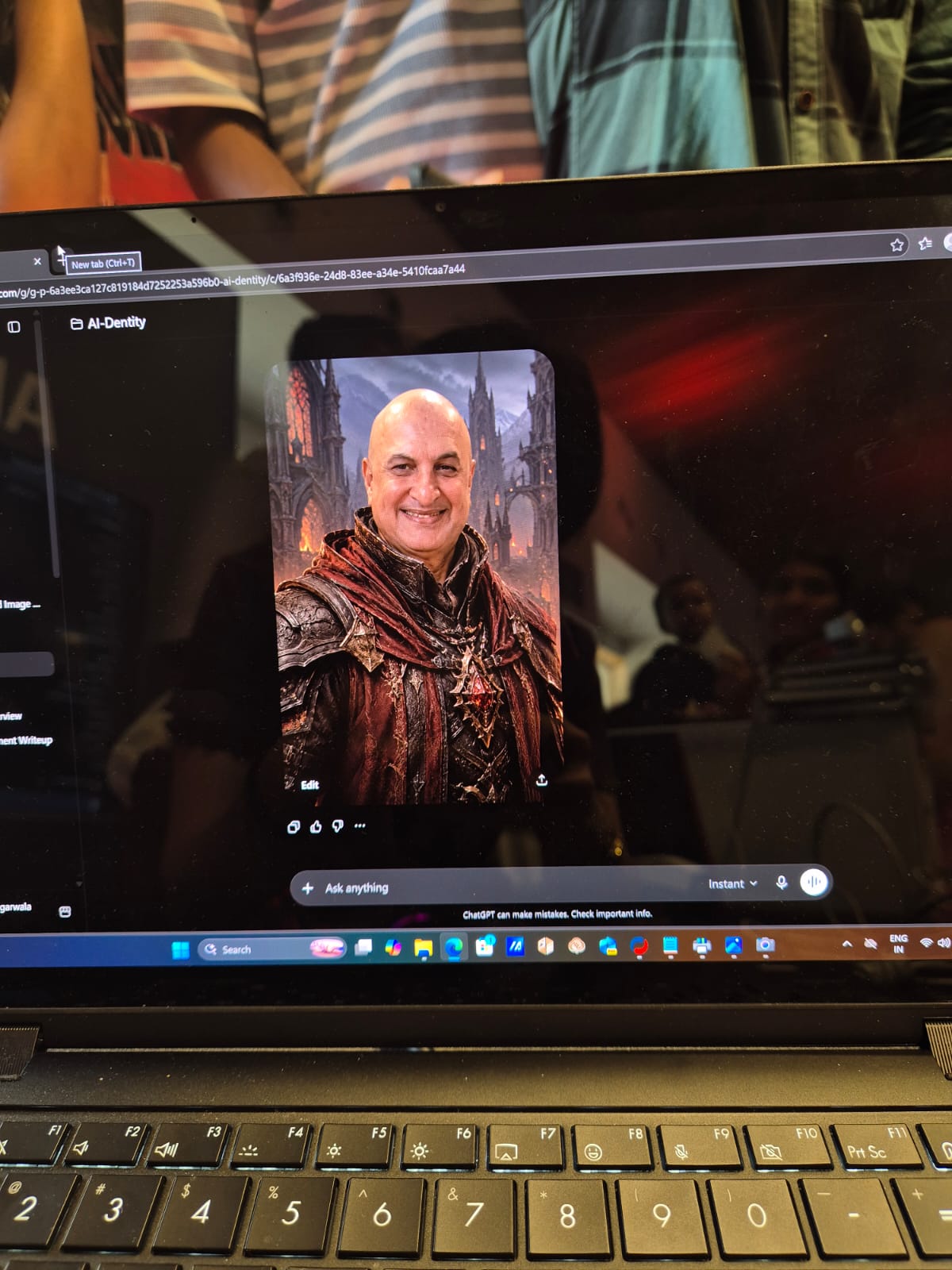
By the third or fourth conversation, I realised the event had its own language.
People who had never met could recognise one another through a sleeve, a sword, a colour, a scar, a symbol. The costume did what all good clothing does. It began a conversation before a word was spoken.
For a few minutes, strangers became part of the same story.
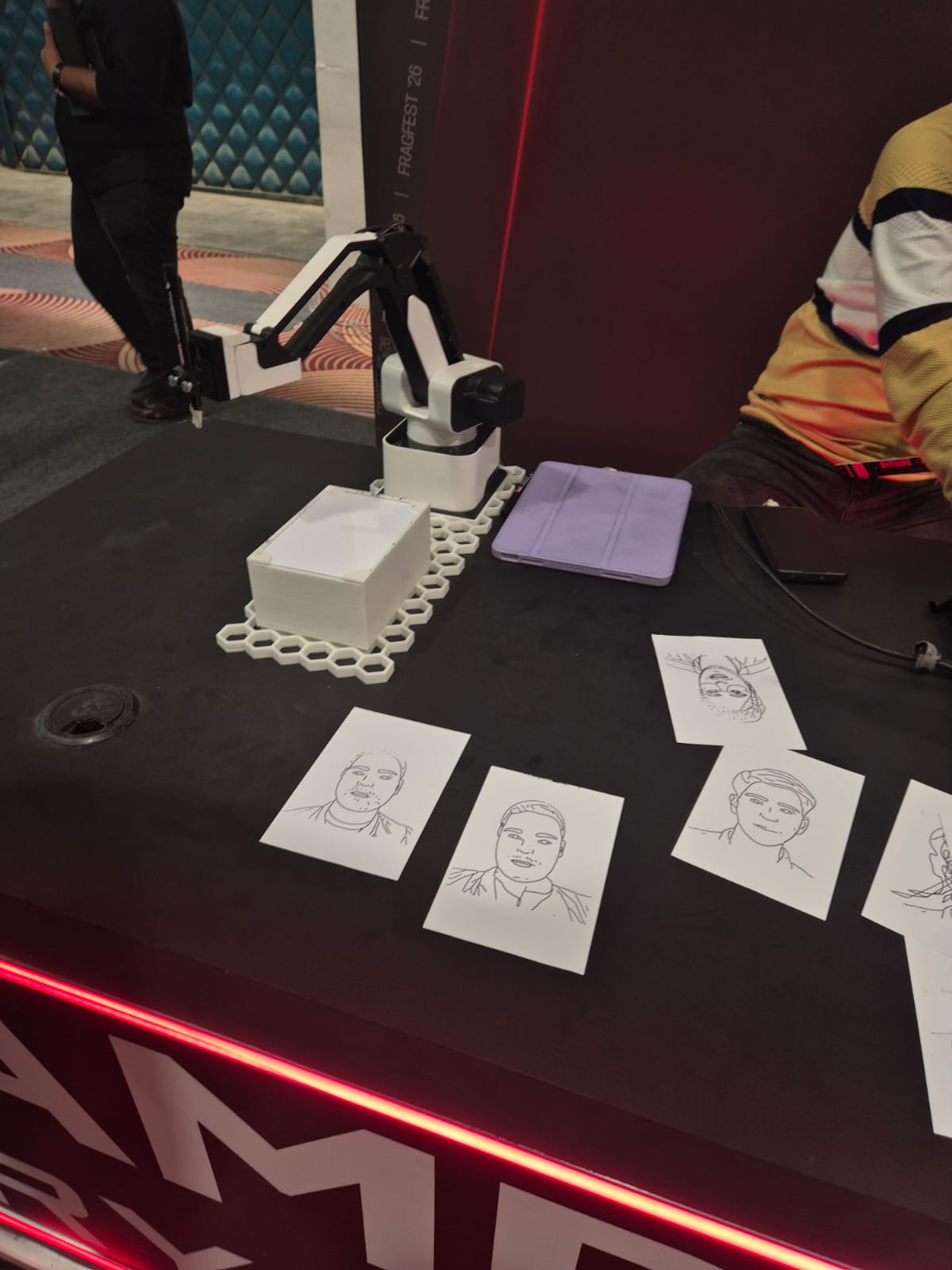
In one corner, a robotic arm drew portraits.
It was fast. It was clever. It was almost magical.
But outside, young people had spent months building one look for one afternoon.
The contrast stayed with me.
Technology may speed up creation. It cannot replace the hunger to make something with your own hands and then stand inside it.
Curator’s Note
A field note from FragFest '26, Bengaluru, on cosplay, Gen Z identity and the stories young people choose to wear.
— JC
Engage
Reflections
What readers carried with them.
A quiet record of what this story left behind. Editors occasionally feature a selection here as a Curator’s Note.
Reading the guestbook…
Reflection Reward
Thoughtful reflections may be recognised with 5 Discovery Points at the curator’s discretion.
Time-bound
Reflection rewards may be offered during selected editorial campaigns. Dates will be announced.
Curated & Meaningful
Editors may recognise reflections that add depth, originality or meaningful perspective.
Rules are set by the curator and may change.
All reflections are reviewed by our editorial team. Only selected reflections receive points and may be featured.

Share This Discovery
INK & HOWL — DISCOVERY
A museum placard. Take it with you.
Know A Creator?
Know a creator we should meet?
Ink & Howl documents emerging makers, artists, designers and thinkers.
Nominate someone whose work deserves to be discovered.